

2026 Surgical Pathology Update Diagnostic Pearls for the Practicing Pathologist Vol. IX
Shop with confidence
Description
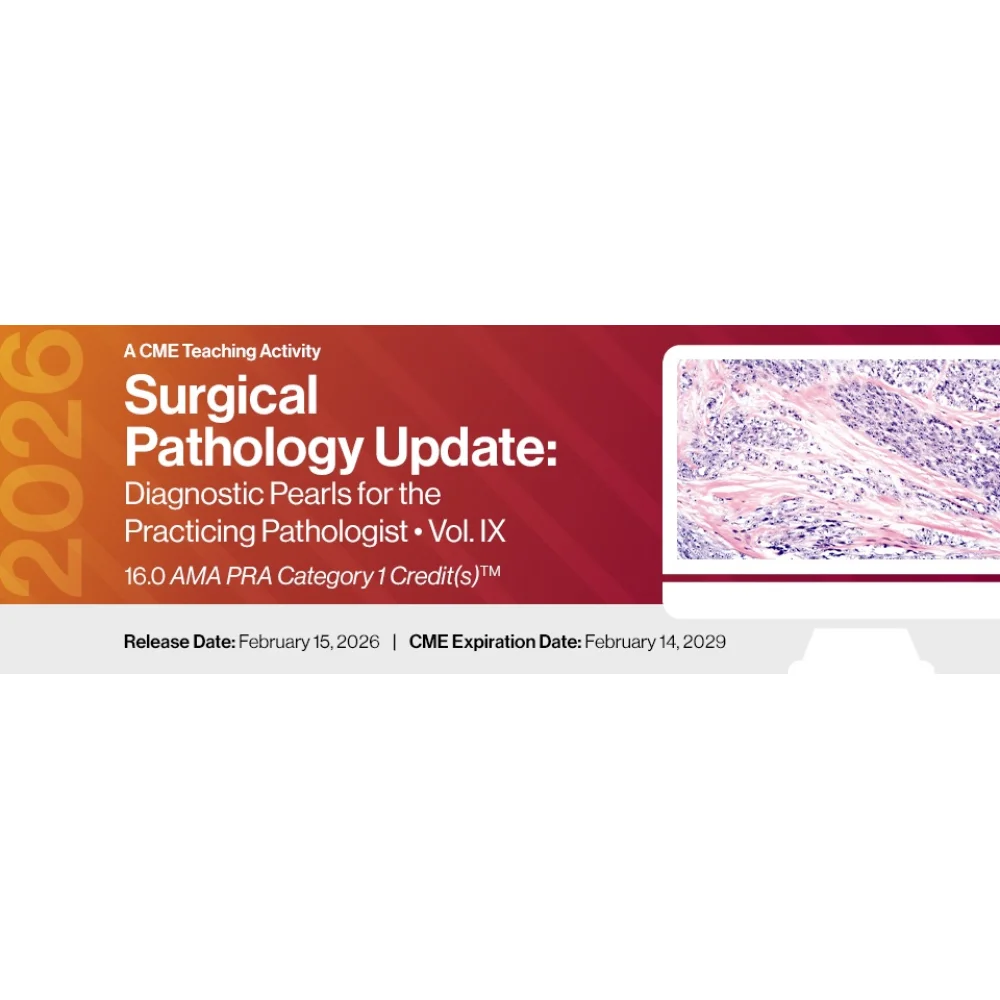
2026 Surgical Pathology Update: Diagnostic Pearls for the Practicing Pathologist (Vol. IX)
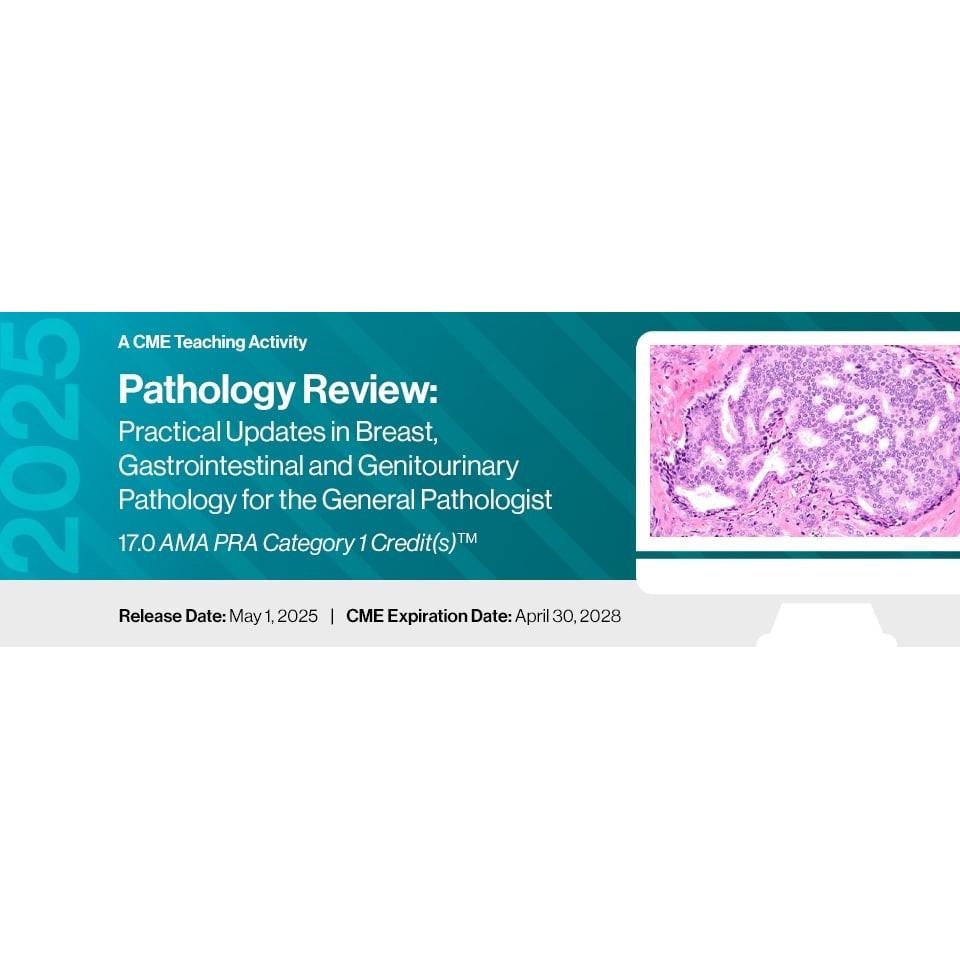
High-yield diagnostic pearls and pitfall-avoidance across GI, gynecologic, genitourinary, breast, and neuroendocrine pathology—integrating immunohistochemistry, molecular diagnostics, and case-based review sessions.
Diagnostic Pearls
Pitfalls & Mimics
IHC + Molecular
WHO 5th Ed Updates
Case-Based Sessions
Pitfalls & Mimics
IHC + Molecular
WHO 5th Ed Updates
Case-Based Sessions
Delivery via Google Drive (unlimited access + downloadable files).
Overview
This teaching activity has been designed to provide an extensive overview of some of the most common areas of diagnostic difficulty encountered by surgical pathologist in the areas of gastrointestinal, gynecologic, genitourinary, breast, and neuroendocrine pathology. Extensive details will be provided on some of the most important diagnostic features which allow pathologists to make accurate diagnoses in each of these areas of surgical pathology, as well as how to assess essential diagnostic clues and avoid the common diagnostic pitfalls. Each lecture also provides a thorough discussion on the use of ancillary diagnostic techniques including both immunohistochemistry and molecular diagnostics. The program includes case-based review sessions.
Target Audience
This teaching activity is primarily intended and designed to educate practicing pathologists.
Scientific Sponsor
Educational Symposia
Educational Objectives
At the completion of this teaching activity, you should be able to:
- Discuss the most common diagnostics pitfalls in recognizing Barrett’s esophagus-associated dysplasia
- Describe some of the important diagnostic features of various esophageal diseases, including eosinophilic esophagitis
- Recognize the most common patterns seen in mesenchymal tumors of the gastrointestinal tract
- Identify the most recent changes in the 5th edition of the WHO classification of neuroendocrine neoplasms
- Define the most common pitfalls in thyroid pathology
- Describe some of the associated syndromes seen in association with various neuroendocrine tumors
- Discuss various forms of non-Helicobacter-related gastritis
- Recognize some of the most important prognostic features associated with colorectal carcinoma
- Discuss the most important diagnostic features of the variants of inflammatory bowel disease and diagnostic mimics
- Discuss recent updates in renal tumor classification
- Describe some of the most important diagnostic pitfalls in prostate core biopsy interpretation
- Recognize the most common diagnostics issues in bladder biopsy pathology
- Define the various papillary lesions of the breast
- Describe problematic fibroepithelial lesions of the breast
- Discuss the spectrum of atypical ductal hyperplasia and ductal carcinoma in situ
Topics
Barrett’s Esophagus and Barrett’s-related Dysplasia
John R. Goldblum, M.D.
Pearls and Pitfalls in Prostate Core Biopsies
Reza Alaghehbandan, M.D., MSc(Epi), FRCPC, FCAP, FACE, FIAC
Diagnostic Spectrum of Atypical Ductal Hyperplasia and DCIS
Hannah Gilmore, M.D.
Non-Helicobacter Gastritis
Lindsay Alpert, M.D.
The 5th Edition WHO Classification of Neuroendocrine Neoplasms
Sylvia L. Asa, M.D., Ph.D.
Update on Endometrial Carcinoma
Taylor Jenkins, M.D.
Mesenchymal Tumors of the GI Tract
John R. Goldblum, M.D.
“Papillary Lesions of the Breast ”
Hannah Gilmore, M.D.
Colorectal Carcinoma: Pathologic Features and Prognosis
Lindsay Alpert, M.D.
HPV-independent Vulvar Neoplasia
Taylor Jenkins, M.D.
Digital Slide Seminar: Esophageal Pathology
John R. Goldblum, M.D.
Inflammatory Bowel Disease and its Mimics
Lindsay Alpert, M.D.
Manifestations of Syndromic Disorders in Endocrine Pathology
Sylvia L. Asa, M.D., Ph.D.
Uterine Mesenchymal Lesions
Taylor Jenkins, M.D.
Problematic Fibroepithelial Lesions of the Breast
Hannah Gilmore, M.D.
Access & Delivery
All materials are delivered via Google Drive with unlimited access and downloadable files for offline study.
Medicine.ac does not provide CME, CE, or credits of any kind.
Bundle & Save
Save 15% on Bundles
Get 15% off when purchasing two or more courses together. This bundle discount is permanent and unlimited.
Related Courses
| Course | Best For | Rating |
|---|---|---|
| USCAP Tips and Hints in Surgical Pathology 2026 | Fast, practical pattern recognition and daily sign-out pitfalls | ★★★★★ |
| Harvard 46th Annual Current Concepts in Surgical Pathology 2025 | Broad high-yield surgical pathology updates across major subspecialties | ★★★★★ |
| The Osler Anatomic Pathology 2025 (Subscription-Based Review) | Structured AP review for confident diagnostic workflows and boards | ★★★★☆ |
| The Osler Clinical Pathology 2025 (Subscription-Based Review) | Balanced CP reinforcement to complement surgical pathology sign-out | ★★★★☆ |
Frequently Asked Questions
What is the main focus of this program?
An extensive overview of common diagnostic difficulty areas in GI, gynecologic, genitourinary, breast, and neuroendocrine pathology—focused on essential diagnostic clues and avoiding common diagnostic pitfalls.
Does the course cover ancillary diagnostics?
Yes. Each lecture includes a thorough discussion of ancillary diagnostic techniques including both immunohistochemistry and molecular diagnostics.
Are there case-based sessions?
Yes. The program includes case-based review sessions and a Digital Slide Seminar focused on esophageal pathology.
How is access delivered?
All materials are delivered via Google Drive with unlimited access and downloadable files for offline study.
Are credits included?
No. Medicine.ac does not provide CME, CE, or credits of any kind.
Student & Physician Experiences
★★★★★
Practicing Pathologist (M.S.)
“Exactly the kind of case-based pitfall review that improves sign-out speed and confidence. The GI and breast sessions were especially high-yield.”
★★★★★
Community Pathologist (J.R.)
“Clear diagnostic clues, realistic mimics, and practical ancillary testing discussion. The WHO neuroendocrine updates were very helpful.”
★★★★☆
AP Fellow (L.K.)
“Strong pearls across GU and gyn, with good emphasis on avoiding the common pitfalls. Great companion to daily practice.”